
The Rise of Collectible Card Games
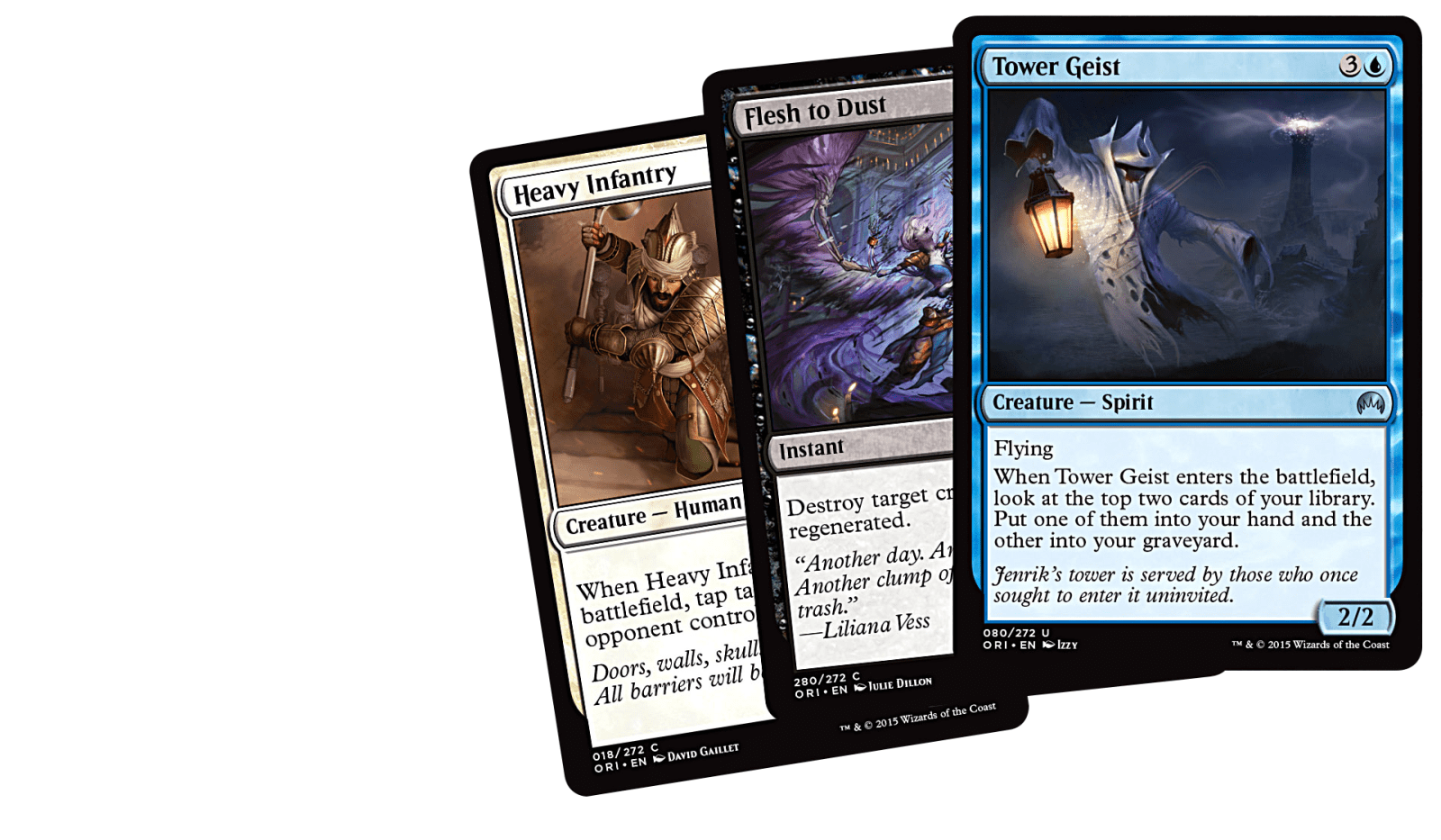
Collectible Card Games (CCGs) have become increasingly popular in recent years, captivating players of all ages with their strategic gameplay and compelling artwork. These games involve collecting and building decks of cards representing various characters, spells, and abilities, which are then used to battle opponents.
Since their inception, CCGs have evolved and diversified, offering players a wide range of themes and gameplay mechanics. Popular examples include Magic: The Gathering, Pokemon TCG, and Hearthstone. Each game has its unique set of rules and mechanics, providing players with endless strategic possibilities.
The Competitive TCG Scene
Professional Tournaments
The competitive scene for CCGs has grown tremendously, with professional tournaments offering substantial prize pools and attracting top players from around the world. These tournaments provide a platform for players to showcase their skills, creativity, and mastery of the game.
Organizations such as the Wizards of the Coast, which oversees Magic: The Gathering, and the Pokemon Company, responsible for the Pokemon TCG, organize major events where players compete for glory and substantial cash prizes. These tournaments are not only a test of skill but also a celebration of the community that surrounds these games.
The Role of Esports
Esports has played a significant role in the growth of the competitive TCG scene. With live streaming platforms like Twitch and YouTube Gaming, fans can tune in to watch their favorite players compete in high-stakes matches. Esports organizations have also recognized the potential of CCGs and have invested in professional teams and players.
Professional players and teams participate in leagues and tournaments, representing sponsors and competing for top rankings. The rise of esports in the TCG scene has brought increased visibility and legitimacy to these games, attracting even more players and fans.
Skills Required for Competitive CCG Play
Competitive CCG play demands a combination of strategic thinking, deck building, and adaptability. Players need to carefully analyze the meta-game, which refers to the prevalent strategies and decks used by top players, and develop strategies to counter them.
Deck building is a crucial aspect of CCGs. Players need to understand card synergies, evaluate card power levels, and create a deck that can adapt to different scenarios. A well-designed deck can give players a significant advantage in competitive play.
Community and Social Aspects
CCGs have thriving communities, both online and offline. Players gather at local game stores and conventions to play, trade cards, and engage in friendly competition. These communities provide a supportive environment for players to learn, grow, and connect with fellow enthusiasts.
Online platforms and forums offer a space for players to discuss strategies, share decklists, and participate in virtual tournaments. These communities foster a sense of camaraderie among players and contribute to the overall growth and development of the competitive TCG scene.
Conclusion
Collectible Card Games and the competitive TCG scene have experienced tremendous growth in recent years. With professional tournaments, the rise of esports, and thriving communities, these games have become a significant part of the gaming industry. Whether you are a casual player or aspiring professional, CCGs offer endless opportunities for strategic gameplay, creativity, and social interaction. So, grab your deck, join the competitive TCG scene, and experience the thrill of intense battles!
The Rise of Collectible Card Games
Collectible Card Games (CCGs) have become increasingly popular in recent years, captivating players of all ages with their strategic gameplay and compelling artwork. These games involve collecting and building decks of cards representing various characters, spells, and abilities, which are then used to battle opponents.
Since their inception, CCGs have evolved and diversified, offering players a wide range of themes and gameplay mechanics. Popular examples include Magic: The Gathering, Pokemon TCG, and Hearthstone. Each game has its unique set of rules and mechanics, providing players with endless strategic possibilities.
The Competitive TCG Scene
Professional Tournaments
The competitive scene for CCGs has grown tremendously, with professional tournaments offering substantial prize pools and attracting top players from around the world. These tournaments provide a platform for players to showcase their skills, creativity, and mastery of the game.
Organizations such as the Wizards of the Coast, which oversees Magic: The Gathering, and the Pokemon Company, responsible for the Pokemon TCG, organize major events where players compete for glory and substantial cash prizes. These tournaments are not only a test of skill but also a celebration of the community that surrounds these games.
The Role of Esports
Esports has played a significant role in the growth of the competitive TCG scene. With live streaming platforms like Twitch and YouTube Gaming, fans can tune in to watch their favorite players compete in high-stakes matches. Esports organizations have also recognized the potential of CCGs and have invested in professional teams and players.
Professional players and teams participate in leagues and tournaments, representing sponsors and competing for top rankings. The rise of esports in the TCG scene has brought increased visibility and legitimacy to these games, attracting even more players and fans.
Skills Required for Competitive CCG Play
Competitive CCG play demands a combination of strategic thinking, deck building, and adaptability. Players need to carefully analyze the meta-game, which refers to the prevalent strategies and decks used by top players, and develop strategies to counter them.
Deck building is a crucial aspect of CCGs. Players need to understand card synergies, evaluate card power levels, and create a deck that can adapt to different scenarios. A well-designed deck can give players a significant advantage in competitive play.
Community and Social Aspects
CCGs have thriving communities, both online and offline. Players gather at local game stores and conventions to play, trade cards, and engage in friendly competition. These communities provide a supportive environment for players to learn, grow, and connect with fellow enthusiasts.
Online platforms and forums offer a space for players to discuss strategies, share decklists, and participate in virtual tournaments. These communities foster a sense of camaraderie among players and contribute to the overall growth and development of the competitive TCG scene.
Conclusion
Collectible Card Games and the competitive TCG scene have experienced tremendous growth in recent years. With professional tournaments, the rise of esports, and thriving communities, these games have become a significant part of the gaming industry. Whether you are a casual player or aspiring professional, CCGs offer endless opportunities for strategic gameplay, creativity, and social interaction. So, grab your deck, join the competitive TCG scene, and experience the thrill of intense battles!

The Rise of Collectible Card Games
Collectible Card Games (CCGs) have become increasingly popular in recent years, captivating players of all ages with their strategic gameplay and compelling artwork. These games involve collecting and building decks of cards representing various characters, spells, and abilities, which are then used to battle opponents.
Since their inception, CCGs have evolved and diversified, offering players a wide range of themes and gameplay mechanics. Popular examples include Magic: The Gathering, Pokemon TCG, and Hearthstone. Each game has its unique set of rules and mechanics, providing players with endless strategic possibilities.
The Competitive TCG Scene
Professional Tournaments
The competitive scene for CCGs has grown tremendously, with professional tournaments offering substantial prize pools and attracting top players from around the world. These tournaments provide a platform for players to showcase their skills, creativity, and mastery of the game.
Organizations such as the Wizards of the Coast, which oversees Magic: The Gathering, and the Pokemon Company, responsible for the Pokemon TCG, organize major events where players compete for glory and substantial cash prizes. These tournaments are not only a test of skill but also a celebration of the community that surrounds these games.
The Role of Esports
Esports has played a significant role in the growth of the competitive TCG scene. With live streaming platforms like Twitch and YouTube Gaming, fans can tune in to watch their favorite players compete in high-stakes matches. Esports organizations have also recognized the potential of CCGs and have invested in professional teams and players.
Professional players and teams participate in leagues and tournaments, representing sponsors and competing for top rankings. The rise of esports in the TCG scene has brought increased visibility and legitimacy to these games, attracting even more players and fans.
Skills Required for Competitive CCG Play
Competitive CCG play demands a combination of strategic thinking, deck building, and adaptability. Players need to carefully analyze the meta-game, which refers to the prevalent strategies and decks used by top players, and develop strategies to counter them.
Deck building is a crucial aspect of CCGs. Players need to understand card synergies, evaluate card power levels, and create a deck that can adapt to different scenarios. A well-designed deck can give players a significant advantage in competitive play.
Community and Social Aspects
CCGs have thriving communities, both online and offline. Players gather at local game stores and conventions to play, trade cards, and engage in friendly competition. These communities provide a supportive environment for players to learn, grow, and connect with fellow enthusiasts.
Online platforms and forums offer a space for players to discuss strategies, share decklists, and participate in virtual tournaments. These communities foster a sense of camaraderie among players and contribute to the overall growth and development of the competitive TCG scene.
Conclusion
Collectible Card Games and the competitive TCG scene have experienced tremendous growth in recent years. With professional tournaments, the rise of esports, and thriving communities, these games have become a significant part of the gaming industry. Whether you are a casual player or aspiring professional, CCGs offer endless opportunities for strategic gameplay, creativity, and social interaction. So, grab your deck, join the competitive TCG scene, and experience the thrill of intense battles!

The Rise of Collectible Card Games
Collectible Card Games (CCGs) have become increasingly popular in recent years, captivating players of all ages with their strategic gameplay and compelling artwork. These games involve collecting and building decks of cards representing various characters, spells, and abilities, which are then used to battle opponents.
Since their inception, CCGs have evolved and diversified, offering players a wide range of themes and gameplay mechanics. Popular examples include Magic: The Gathering, Pokemon TCG, and Hearthstone. Each game has its unique set of rules and mechanics, providing players with endless strategic possibilities.
The Competitive TCG Scene
Professional Tournaments
The competitive scene for CCGs has grown tremendously, with professional tournaments offering substantial prize pools and attracting top players from around the world. These tournaments provide a platform for players to showcase their skills, creativity, and mastery of the game.
Organizations such as the Wizards of the Coast, which oversees Magic: The Gathering, and the Pokemon Company, responsible for the Pokemon TCG, organize major events where players compete for glory and substantial cash prizes. These tournaments are not only a test of skill but also a celebration of the community that surrounds these games.
The Role of Esports
Esports has played a significant role in the growth of the competitive TCG scene. With live streaming platforms like Twitch and YouTube Gaming, fans can tune in to watch their favorite players compete in high-stakes matches. Esports organizations have also recognized the potential of CCGs and have invested in professional teams and players.
Professional players and teams participate in leagues and tournaments, representing sponsors and competing for top rankings. The rise of esports in the TCG scene has brought increased visibility and legitimacy to these games, attracting even more players and fans.
Skills Required for Competitive CCG Play
Competitive CCG play demands a combination of strategic thinking, deck building, and adaptability. Players need to carefully analyze the meta-game, which refers to the prevalent strategies and decks used by top players, and develop strategies to counter them.
Deck building is a crucial aspect of CCGs. Players need to understand card synergies, evaluate card power levels, and create a deck that can adapt to different scenarios. A well-designed deck can give players a significant advantage in competitive play.
Community and Social Aspects
CCGs have thriving communities, both online and offline. Players gather at local game stores and conventions to play, trade cards, and engage in friendly competition. These communities provide a supportive environment for players to learn, grow, and connect with fellow enthusiasts.
Online platforms and forums offer a space for players to discuss strategies, share decklists, and participate in virtual tournaments. These communities foster a sense of camaraderie among players and contribute to the overall growth and development of the competitive TCG scene.
Conclusion
Collectible Card Games and the competitive TCG scene have experienced tremendous growth in recent years. With professional tournaments, the rise of esports, and thriving communities, these games have become a significant part of the gaming industry. Whether you are a casual player or aspiring professional, CCGs offer endless opportunities for strategic gameplay, creativity, and social interaction. So, grab your deck, join the competitive TCG scene, and experience the thrill of intense battles!

The Rise of Collectible Card Games
Collectible Card Games (CCGs) have become increasingly popular in recent years, captivating players of all ages with their strategic gameplay and compelling artwork. These games involve collecting and building decks of cards representing various characters, spells, and abilities, which are then used to battle opponents.
Since their inception, CCGs have evolved and diversified, offering players a wide range of themes and gameplay mechanics. Popular examples include Magic: The Gathering, Pokemon TCG, and Hearthstone. Each game has its unique set of rules and mechanics, providing players with endless strategic possibilities.
The Competitive TCG Scene
Professional Tournaments
The competitive scene for CCGs has grown tremendously, with professional tournaments offering substantial prize pools and attracting top players from around the world. These tournaments provide a platform for players to showcase their skills, creativity, and mastery of the game.
Organizations such as the Wizards of the Coast, which oversees Magic: The Gathering, and the Pokemon Company, responsible for the Pokemon TCG, organize major events where players compete for glory and substantial cash prizes. These tournaments are not only a test of skill but also a celebration of the community that surrounds these games.
The Role of Esports
Esports has played a significant role in the growth of the competitive TCG scene. With live streaming platforms like Twitch and YouTube Gaming, fans can tune in to watch their favorite players compete in high-stakes matches. Esports organizations have also recognized the potential of CCGs and have invested in professional teams and players.
Professional players and teams participate in leagues and tournaments, representing sponsors and competing for top rankings. The rise of esports in the TCG scene has brought increased visibility and legitimacy to these games, attracting even more players and fans.
Skills Required for Competitive CCG Play
Competitive CCG play demands a combination of strategic thinking, deck building, and adaptability. Players need to carefully analyze the meta-game, which refers to the prevalent strategies and decks used by top players, and develop strategies to counter them.
Deck building is a crucial aspect of CCGs. Players need to understand card synergies, evaluate card power levels, and create a deck that can adapt to different scenarios. A well-designed deck can give players a significant advantage in competitive play.
Community and Social Aspects
CCGs have thriving communities, both online and offline. Players gather at local game stores and conventions to play, trade cards, and engage in friendly competition. These communities provide a supportive environment for players to learn, grow, and connect with fellow enthusiasts.
Online platforms and forums offer a space for players to discuss strategies, share decklists, and participate in virtual tournaments. These communities foster a sense of camaraderie among players and contribute to the overall growth and development of the competitive TCG scene.
Conclusion
Collectible Card Games and the competitive TCG scene have experienced tremendous growth in recent years. With professional tournaments, the rise of esports, and thriving communities, these games have become a significant part of the gaming industry. Whether you are a casual player or aspiring professional, CCGs offer endless opportunities for strategic gameplay, creativity, and social interaction. So, grab your deck, join the competitive TCG scene, and experience the thrill of intense battles!